You Can't Buy Brand Back
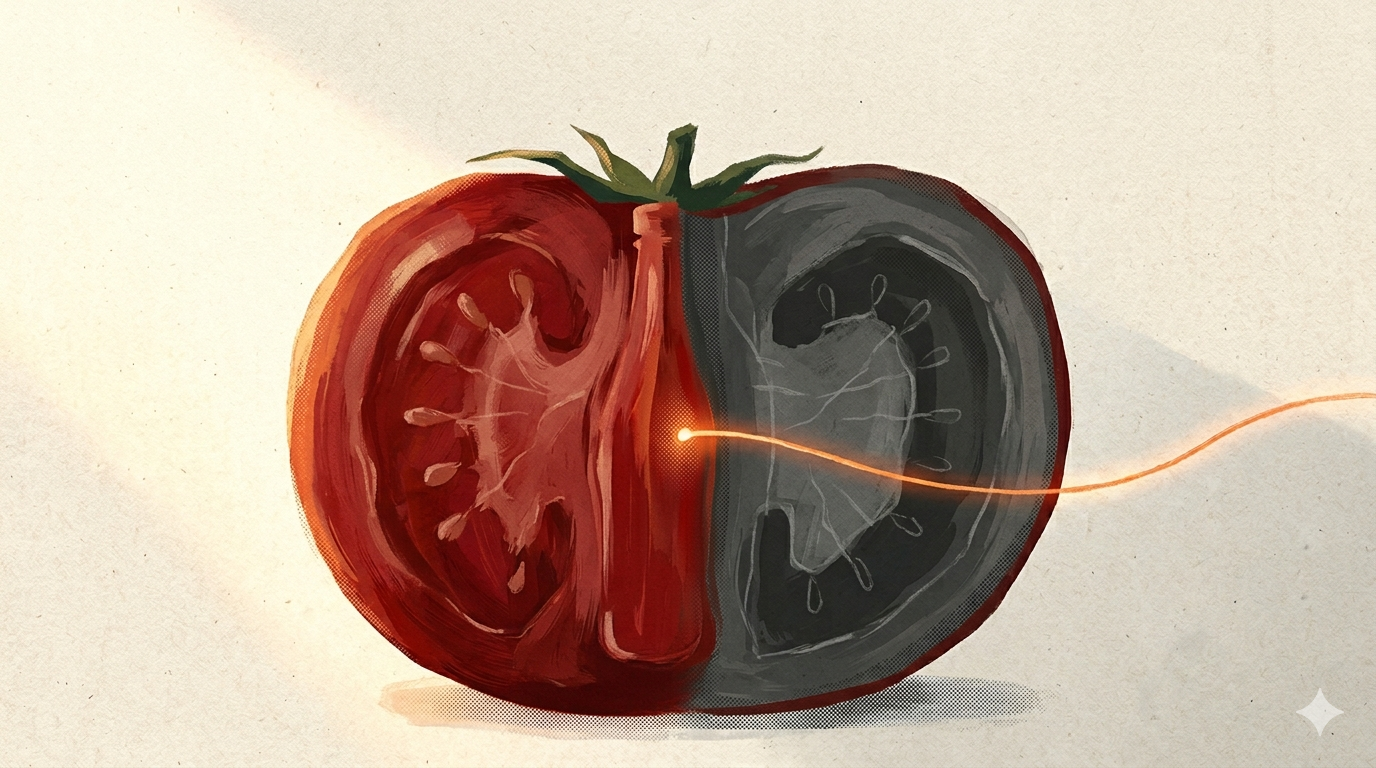
Why $600 Million Can't Buy Back What Brand Strategy Should Have Protected
Kraft Heinz just announced it's hiking its marketing spend by 37%. Six hundred million dollars in "dry powder" is now aimed at reviving brands like Kraft Mac & Cheese, Capri Sun, and Heinz ketchup — products that most Americans grew up with and, increasingly, buy less of.
The coverage has been mostly positive. Finally, the thinking goes, they're investing in their brands again.
But here's what the coverage skips over: Kraft Heinz is spending $600 million to fix a problem that compound interest built over years of not spending anything. Between 2018 and 2025, the company wrote down more than $37 billion in brand value. Billion. The 2019 write-down alone — $15.4 billion, mostly on the Kraft and Oscar Mayer names — was one of the largest brand impairment events in CPG history.
Goldman Sachs analysts put it plainly at the time: investors had long worried whether 3G Capital's extreme cost-cutting model would eventually result in brand equity erosion. It did.
So when you read that Kraft Heinz is now "betting on brand investment," the more precise description is that they're attempting to purchase back something they once owned and chose not to maintain.
That's a different story.
The Confusion Between Marketing Spend and Brand Strategy
There's a conflation that happens constantly in CPG — inside big companies and small ones alike — between spending on marketing and having a brand strategy.
They're related, but they're not the same thing, and confusing them is expensive.
Marketing spend is a tactic. It amplifies what your brand already stands for. When it works, it accelerates brand equity that already exists — associations, trust, clarity of position, reasons consumers reach for your product and not the one next to it.
Brand strategy is the upstream decision about what your brand actually stands for, who it's for, and why it occupies a specific and defensible position in a consumer's life. It answers the questions marketing spend will later need to amplify.
Kraft Heinz's problem was never really a marketing problem. Jell-O reportedly went a decade without a meaningful marketing refresh. But you could argue that even with consistent spend, a brand without a clear, relevant, and contemporary reason to exist would have struggled in a world where consumer attention has never been more fractured and the definition of "food I trust" has shifted dramatically.
The brands that held up — think of the condiment brands in their portfolio, or the way Heinz ketchup maintains a grip that feels almost irrational — did so because they have genuine, specific positions. Heinz is the ketchup. That's not a tagline, it's a consumer truth built over generations. Hard to write down.
The brands that eroded were the ones with fuzzier answers to the basic question: why you, and not something else?
This Pattern Is Showing Up Everywhere Right Now
Kraft Heinz is the most dramatic example, but the same dynamic is visible in a handful of other relaunch stories making news this week.
Luna Bar is back, with a reformulated product and a social-first strategy. The brand had a clear position once — the protein bar made for women, at a time when most bars were just smaller versions of products designed for men. It drifted. Now it's trying to reclaim that space against a new generation of challengers who were born into that exact brief.
PepsiCo is relaunching Muscle Milk with cleaner ingredients and new packaging. The protein drink category has become genuinely crowded, with Coca-Cola's Core Power and Premier Protein fighting for the same shelf. The reformulation is smart. But the relaunch will only work if Muscle Milk can articulate a position that isn't just "also clean, also high-protein" — because that describes every competitor.
Beyond Meat's CEO is calling his company "a beverage company in hiding" and pivoting toward protein drinks. It's a bold move from a brand that went from cultural phenomenon to cautionary tale in about four years. The question isn't whether the products are good. It's whether the brand still has the credibility and clarity to make consumers follow it into a new category.
All of these are rebranding stories. And in all of them, the underlying issue predates the rebranding effort.
What Proactive Brand Strategy Actually Prevents
The founders and CMOs I've worked with who avoid these situations typically share one quality: they ask uncomfortable questions about brand positioning before revenue forces the issue.
Not "how do we grow?" but "what do we actually stand for, and is that still true?" Not "what should we spend on marketing?" but "what are we asking marketing to say?"
These questions get harder — and more expensive — to answer once you're in recovery mode. When you're writing down brand value and watching distribution shrink, the urgency distorts everything. Decisions that should take months get made in weeks. Agencies get briefed on turnaround timelines rather than brand truths.
A $600 million marketing budget, under those conditions, is working against the clock. It may work — Kraft Heinz has genuine assets to work with, and their innovation pipeline (protein-forward Kraft Mac & Cheese, NFL sponsorship) shows signs of strategic coherence. But it didn't have to cost $600 million to figure out.
The Harder Question
If you're a founder or brand manager reading this, the Kraft Heinz story is useful not as a cautionary tale about big companies, but as a mirror.
When did you last pressure-test what your brand actually stands for — not what you want it to stand for, but what a consumer would say unprompted if you asked them why they buy it? When did you last ask whether your packaging, your positioning, and your retail presence are all telling the same story?
The best time to invest in brand strategy is before you need to. Not because it's cheaper — though it is — but because the thinking is clearer when there's no crisis to manage.
Frequently Asked Questions
Is this just a problem for big legacy brands, or does it apply to smaller CPG companies too?
Mostly we talk about it in the context of large companies because the numbers are dramatic — $15 billion write-downs make headlines. But the underlying dynamic is identical at every scale. A small brand that grows fast on a single retail account or a viral moment, without ever clearly defining what it stands for, is just as vulnerable. The difference is that a small brand doesn't get a $600 million second chance. It gets delisted.
What's the difference between a brand refresh and a real brand strategy overhaul?
A refresh is surface — new packaging, updated logo, maybe a tagline change. It's valid work, and sometimes it's exactly what a brand needs. A strategy overhaul goes upstream: who is this brand actually for, what does it stand for that no competitor can credibly claim, and does the entire business — from product formulation to retail placement to how the sales team talks about it — reflect that? A refresh without the upstream thinking tends to look good for a quarter and then stall.
How do I know if my brand has a positioning problem versus a marketing problem?
A rough test: ask five consumers who buy your product why they buy it. If you get five different answers — or vague ones like "it's good" or "I've always used it" — you likely have a positioning problem. Marketing spend can't fix that; it will just amplify the confusion at higher volume. If the answers are consistent and specific, you probably have a marketing problem, which is more tractable.
At what stage should a CPG brand invest in brand strategy?
Earlier than most people think. The founders who get the most out of brand strategy work are the ones who do it before their first major retail push — before the packaging is final, before the sales deck is locked, before the trade spend is committed. At that stage, the thinking shapes everything downstream. After launch, strategy work becomes more expensive because you're often undoing decisions that were already made and already in market.
Can strong packaging design compensate for weak brand positioning?
Only briefly, and only at shelf. Great packaging can win a trial — it gets someone to pick up the product. But it can't create the meaning that makes someone come back. A brand with weak positioning and beautiful packaging will generate curious first purchases and confused repeat rates. The packaging gets the credit for the trial; the positioning (or lack of it) gets the blame for the churn. The two need to be working from the same brief.
Pato Fuentes is the founder of Gel, a brand strategy and packaging design agency based in Los Angeles with 30+ years of experience working with CPG founders and Fortune 100 companies.
