Your brand Isn't yours
Your Brand Isn't Yours
Forrester predicted a 25% drop in brand loyalty in 2025. Private label brands hit record market share. And several high profile rebranding efforts, from Jaguar to Cracker Barrel, backfired almost immediately.
If you're considering a rebrand for your CPG product, the odds aren't in your favor. More than 70% of new consumer packaged goods fail in their first year. Rebrands of established products don't fare much better when they're executed without understanding where the brand actually lives.
If you're planning a rebrand or repositioning for your CPG brand and want to make sure you're protecting the equity you've already built, this is worth reading. Schedule a conversation with us.
Here's what most companies get wrong: they treat the rebrand as a design project. New logo, new packaging, new color palette, maybe a new tagline. But the brand doesn't live in any of those things. It lives in the memory of the person who buys it.
Your Brand Lives in Your Customer's Mind, Not Your Boardroom
Marty Neumeier put it plainly: "A brand is not a brand until its audience declares it is."
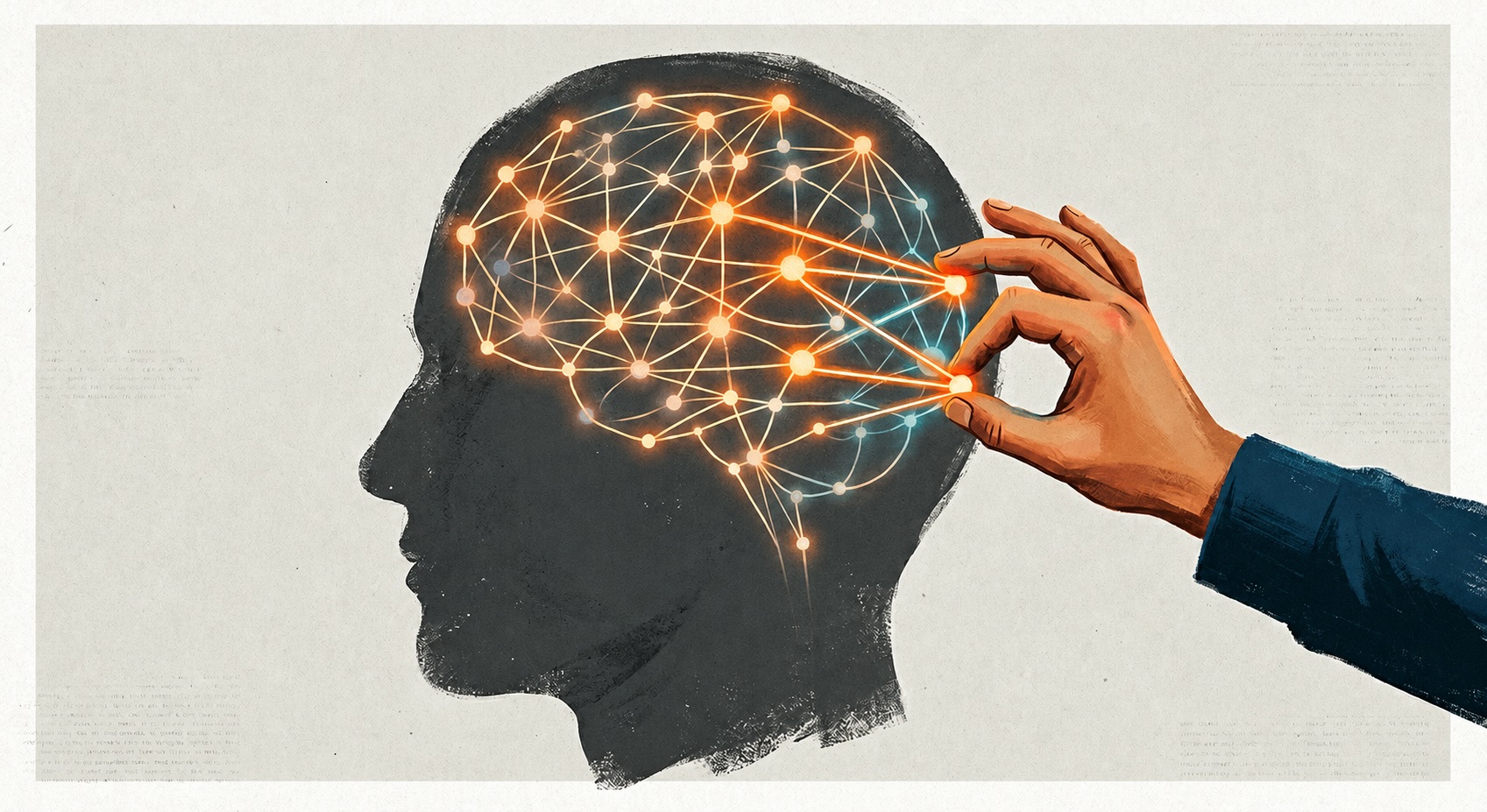
Kevin Lane Keller's associative network memory model, published in 1993 and still foundational to brand strategy, describes how this works. Brand knowledge sits in memory as a node surrounded by linked associations: images, feelings, experiences, beliefs. The strength and favorability of those links is what we call brand equity.
But here's what makes rebranding so risky: most of those associations were shaped by the customer's own life, not by your marketing. Their childhood, their culture, their economic circumstances, their personal taste. All of it filters how they experience your brand. You contributed to those associations. You don't own them.
When you rebrand without understanding which associations your customers consider sacred, you're not refreshing your image. You're dismantling the equity that took years to build.
The Difference Between Identity and Expression
This is where most CPG rebranding strategies go wrong. Companies confuse identity with expression.
Identity is the meaning: what the brand stands for in someone's mind. Expression is how that meaning shows up, the logo, the packaging, the color system, the voice. Expression can and should evolve as markets change and audiences shift. Identity needs to be handled with extreme care.
Most rebrand failures happen because someone changed the identity thinking they were only updating the expression.
Cracker Barrel is the most recent and perhaps most instructive example. In August 2025, the company removed Uncle Herschel, the character who had been part of the logo since 1977, and replaced him with a text only wordmark. The reasoning was practical: a cleaner mark for digital applications. But Uncle Herschel wasn't a design element. He was the association. He represented everything loyal customers believed Cracker Barrel to be: a connection to the past, something unhurried, something familiar. Within a day, $94 million disappeared from the company's market value. The logo was reversed within a week, but by October, same store restaurant sales had dropped nearly 5% and retail sales fell over 8%.
They touched the one thing their customers considered sacred.
Compare that with Starbucks. When they removed the company name from the logo in 2011, it looked bold. But forty years of consistent experience had already made it clear what customers associated with the brand, and it wasn't the word "Coffee." It was the siren. The green. The morning ritual. Starbucks understood which elements carried the meaning and which ones were just familiar. They refreshed the expression without disturbing the identity.
Three Principles for Rebranding Without Losing Your Customers
The brands that navigate rebranding successfully tend to follow three principles, whether they articulate them this way or not.
Separate identity from expression before you start. Audit what your brand means in the minds of your customers, not just what your internal team thinks it means. The sacred elements, the ones that drive loyalty and recognition, need to be identified and protected before any design work begins. Everything else is open for evolution.
Test with your actual audience, not just internal stakeholders. What your leadership team considers outdated is often exactly what your most loyal customers consider essential. The boardroom and the customer rarely agree on what's sacred. When they disagree, the customer is usually right, because they're the ones who built the association.
Sequence change so your audience can follow. Don't unveil a completely new identity and expect people to accept it on faith. Introduce change gradually, giving customers time to update their own mental model. The new has to coexist with the familiar long enough for the associations to transfer. Starbucks did this over decades: brown to green, detailed siren to simplified face, text to no text. Each step came after the audience was ready for it.
Why This Is Harder Now Than Five Years Ago
AI is changing the conditions under which brand loyalty holds.
On one side, AI gives brands better tools for understanding their audience. Sentiment analysis, behavioral data, live feedback. A company paying attention to those signals can detect when associations are shifting and respond before it becomes a crisis. That's genuinely useful.
On the other side, AI has made it remarkably easy to manufacture the appearance of a brand without the substance to back it up. Visual identities, packaging systems, tone of voice, content strategies, all generated in hours. The output looks convincingly professional. It mimics the signals of trust, heritage, and authority that used to require years of consistent work to earn.
For established CPG brands, this creates a real threat to differentiation. When your surface level brand cues can be replicated quickly and cheaply by a competitor or a private label, those cues lose their power to distinguish you on the shelf or in someone's memory.
What AI cannot replicate is the accumulated experience that creates genuine depth: the consistency that showed up year after year, the interaction that felt personal, the moment a brand did something a customer never forgot. Those experiences are slow, human, and hard to scale. They're also becoming rarer, which makes them more valuable than ever.
The brands that will hold loyalty through this period are the ones using AI to listen better while investing more, not less, in the human experiences that build real associative depth. The ones that will lose ground are the brands that confuse the tool for the relationship.
The Territory Worth Protecting
A CPG rebrand isn't a design project. It's an intervention into the associative networks of everyone who has ever chosen your product, recognized your packaging, or felt something when they saw your brand on a shelf.
Neuroscientist Read Montague demonstrated how powerful those associations are when he put the Pepsi Challenge inside an fMRI machine. When participants could see the Coke label, their brain activity shifted from the reward center to a region tied to identity and self concept. The brand didn't just influence the choice. It changed how the cola tasted. Same liquid, different experience.
That's what's at stake in a rebrand. Not the logo. Not the color palette. The feeling your customer carries in their mind, one they helped create and believe is partly theirs.
Protect that, and you can evolve almost anything else. Ignore it, and no amount of design talent will save you.
Frequently Asked Questions
Why do most CPG rebrands fail? Most CPG rebrands fail because companies treat the project as a design update when the real risk is disrupting the associations their customers have already built in memory. When a brand changes elements that customers consider sacred to their relationship with the product, the backlash is often immediate and measurable in lost sales.
How do you know which brand elements are safe to change? The key distinction is between identity (what the brand means in someone's mind) and expression (how that meaning shows up visually and verbally). Expression can evolve. Identity needs to be protected. The only reliable way to separate the two is to research what your actual customers, not your internal team, associate with your brand.
How does AI affect CPG brand loyalty? AI gives brands better listening tools but also makes it easier for competitors to replicate surface level brand signals quickly. This means the visual and verbal cues that once differentiated your brand on shelf carry less weight. The experiences that build genuine associative depth, consistency, personal interaction, authentic moments, become the real competitive advantage.
What is the associative network memory model and why does it matter for rebranding? Kevin Lane Keller's model describes how brand knowledge lives in consumer memory as a network of linked associations: images, feelings, experiences, and beliefs. It matters for rebranding because it explains why changing certain brand elements can trigger disproportionate consumer backlash, those elements may be more deeply linked to the brand's meaning than the company realizes.
How long should a CPG rebrand take? There's no fixed timeline, but the most successful rebrands tend to be sequenced gradually rather than launched all at once. The goal is to give your audience time to update their own mental model of your brand. Rushing a rebrand is one of the most common and costliest mistakes in the CPG category.
Gel is a Los Angeles brand development firm that has spent over 25 years helping CPG brands, from early stage ventures to Fortune 100 companies, build and protect brand equity. If you're considering a rebrand or repositioning and want to make sure you're protecting what matters most, let's talk.
