How a Package Design Agency in Los Angeles Helps International Manufacturers
If you’re an overseas manufacturer trying to break into the US market, you’ve probably already contacted distributors. Maybe you’ve secured a few meetings. Strong product, competitive pricing, proven success in your home market—on paper, everything looks ready.
But here’s what’s actually happening: your products sit in warehouses. Sales underperform projections. The distributors you worked so hard to find can’t articulate why American consumers should choose you over established brands. And you’re stuck wondering what went wrong when your product is objectively better.
International brands—particularly from Korea, China, Japan, and Latin America—enter the US market with superior engineering, smarter features, and better pricing. Then they fail within 18 months because they sequenced market entry backwards.
Ready to talk through your situation? Schedule a call here.
The problem isn’t your product. It’s that you’re solving for distribution before you’ve solved for positioning.
Why Distribution Without Positioning Fails
When you lead with distribution, you’re asking retailers and distributors to sell a product that has no cultural meaning to American consumers. In product-first markets like Korea, Japan, China, and Brazil, specifications and manufacturing quality drive purchase decisions. Consumers understand technical superiority and reward it.
The US market doesn’t work that way.
American consumers buy based on what products mean to them, not what products do. Apple doesn’t win because they have superior specifications—they win because owning an iPhone signals something about your life. Patagonia doesn’t dominate outdoor gear through features alone—they dominate through narrative about environmental values and quality that lasts.
This isn’t marketing spin. This is how consumer decisions actually get made here.
What this looks like in practice
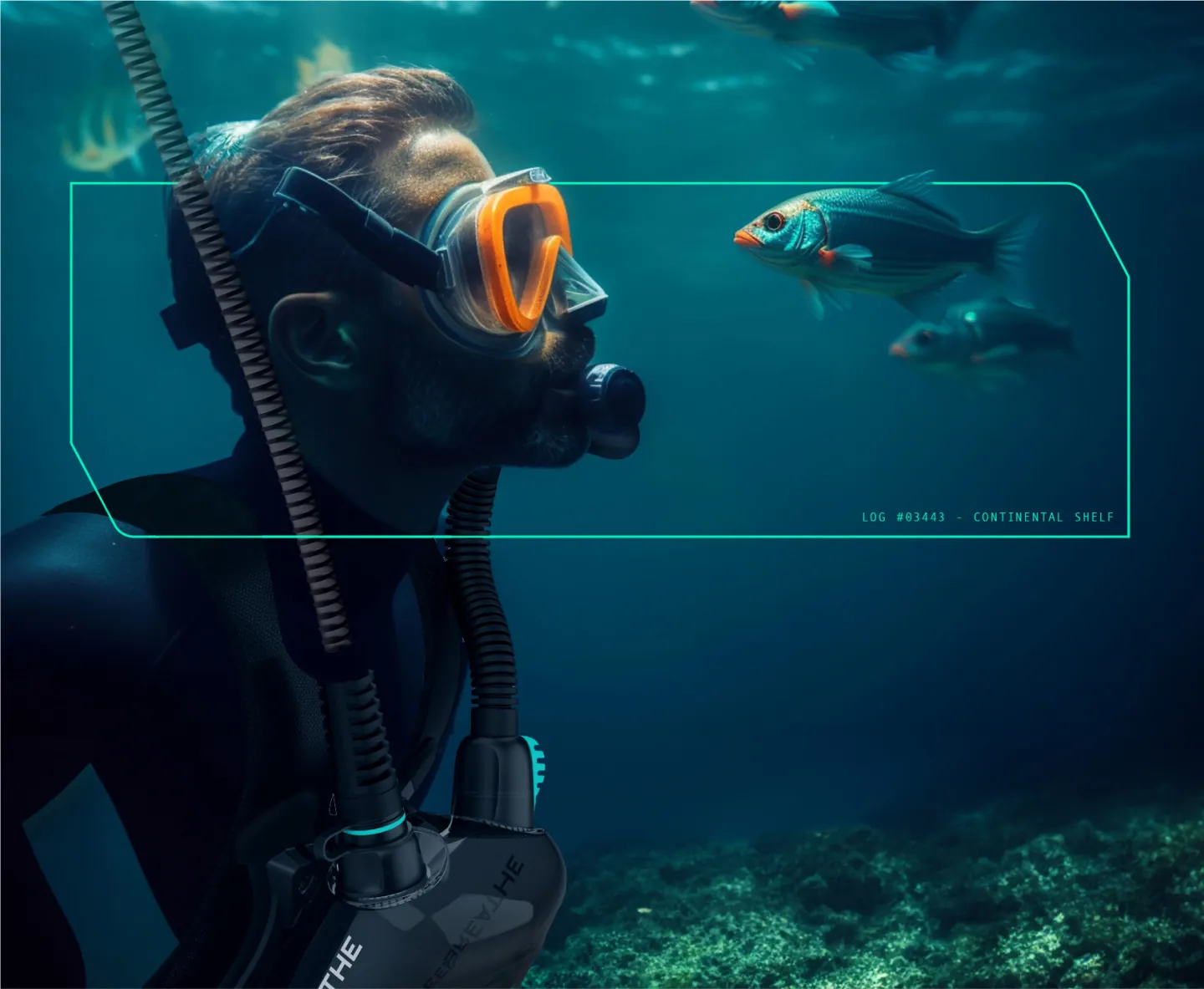
A Dutch underwater breathing technology company (Freebreathe) developed a revolutionary closed-loop breathing system that outperformed traditional scuba equipment on every technical measure. Superior CO2 scrubbing, longer dive times, easier operation, better safety profile. They approached US distribution with positioning centered on technical innovation and engineering excellence—the positioning that worked in European markets where consumers valued precision engineering.
The product failed to gain traction. Not because the technology was flawed, but because American recreational divers don’t primarily buy based on technical specifications. They buy based on freedom, exploration, and expanding their underwater experience.
We repositioned Freebreathe around “freedom to explore underwater without traditional scuba limitations.” Same revolutionary technology, different cultural framing. The product sold out in pre-launch on Amazon.
The company didn’t improve the product. They improved how the product’s value translated to American consumer decision-making.
The Education Curve International Brands Face
In your home market, brand reputation precedes you. Consumers already know who you are, what you stand for, and why they should trust you. You’ve built that equity over years or decades.
In the US market, you’re starting from zero regardless of how successful you are elsewhere.
Industry research shows international brands entering Western markets face what branding experts call an “education curve” rather than just a learning curve. You’re not just teaching consumers about your product—you’re teaching them why they should care about your brand at all.
This education curve includes:
- Why an unfamiliar brand deserves consideration for a significant purchase
- What your brand stands for in a market where origin story matters
- How your product fits into American lifestyles and values
- Why “better specifications” isn’t enough reason to switch from established brands
Most manufacturers try to shortcut this curve by focusing on distribution reach. Get into more stores, get in front of more consumers, hope volume solves the awareness problem. It doesn’t work.
What American Market Success Actually Requires
Companies like Anker and Lenovo eventually figured this out. Before pushing for broad US distribution, they invested heavily in what they call “Americanization”—cultural brand positioning that makes their products meaningful to American consumers beyond technical specifications.
1. Cultural translation of brand values
Not literal translation of your website and marketing materials. Cultural translation of what your brand stands for in a way that resonates with American consumer values and decision-making frameworks.
Florax, a Brazilian probiotic manufacturer, initially positioned their product around scientific credentials and clinical research—the positioning that worked in Brazil where consumers trusted academic validation. That approach failed to gain traction with American consumers in the wellness category.
American wellness consumers don’t primarily buy based on clinical studies. They buy based on how products fit into their lifestyle, ingredient transparency, and brand values around natural health.
We repositioned Florax around “clinically-backed wellness that fits your life” with emphasis on daily ritual and visible results rather than leading with research credentials. The cultural reframing changed everything—the product sold out on Amazon in one hour after launch, despite being a completely unknown brand entering a crowded category.
Same product. Same clinical efficacy. Different cultural positioning.
2. Reframing technical superiority as consumer benefits
Technical advantages don’t disappear in the repositioning process—they get reframed in terms American consumers actually use to make decisions.
With Freebreathe, the technical superiority was real and important: closed-loop CO2 scrubbing, extended dive times, simplified operation, enhanced safety features. But leading with those specifications positioned the product as industrial diving equipment rather than recreational gear expanding personal freedom.
We didn’t hide the technical advantages. We reframed them:
- “Closed-loop CO2 scrubbing” became “breathe naturally without equipment changes”
- “Extended dive times” became “explore longer without surfacing”
- “Simplified operation” became “more time underwater, less time managing gear”
- “Enhanced safety features” became “confidence to push your boundaries”
The technology stayed identical. The consumer-facing language shifted from engineering achievement to expanded capability and freedom.
3. Category positioning that creates comparison context
American consumers need to understand where you fit in the market landscape. Are you the premium alternative? The accessible option? The innovation disruptor? Without clear category positioning, you’re asking distributors to figure this out themselves—and they won’t.
With Florax, we didn’t position them as “another probiotic supplement.” We positioned them in the intersection of clinical efficacy and lifestyle wellness—a space where most brands lean too far toward either medical credibility or lifestyle appeal. This specific category positioning gave Amazon and retail partners clear placement logic and gave consumers immediate context for evaluation.
4. Narrative frameworks distributors can actually use
Your sales team in Korea, Japan, Brazil, or the Netherlands knows exactly how to talk about your product because they understand the cultural context. American distributors don’t have that context. They need narrative frameworks that explain not just what your product does, but why it matters to American consumers.
This isn’t something distributors create for you. This is strategic work you must complete before distribution conversations begin.
How Gel Approaches International Market Entry
We’ve worked with overseas manufacturers entering the US market for over 30 years, with deep roots in Los Angeles—a city that has served as the entry point for more international consumer brands than any other market in the country. That’s not an accident. LA is where global meets American consumer culture, and it’s shaped how we think about cultural translation work.
Our process starts with cultural translation, not distribution planning.
- Mapping your technical advantages to American consumer benefits (not features)
- Identifying which aspects of your home market positioning translate and which need reframing
- Building narrative frameworks that give distributors language they can actually use
- Creating category positioning that establishes clear competitive context
The Florax case
When Florax came to us, they had a superior product with strong clinical backing and success in South American markets. But their initial US market entry attempts failed because their positioning centered on what worked in Brazil—academic credentials, research partnerships, and scientific validation.
We started by understanding what drove purchase decisions in the Brazilian market versus the American wellness category. In Brazil, medical authority and clinical research signal trustworthiness. In the American wellness market, those same credentials can actually create distance—consumers want science-backed products, but they don’t want to feel like they’re buying medicine.
The repositioning work included:
- Reframing clinical efficacy as “results you can feel” rather than “clinically proven formulation”
- Positioning the daily ritual aspect rather than leading with dosage and science
- Creating a brand voice that balanced credibility with accessibility
- Developing packaging and messaging that fit American wellness category expectations without abandoning product integrity
Once positioning was right, the Amazon launch succeeded immediately. Not because the product improved. Not because we bought more advertising. The positioning finally gave American consumers a reason to choose an unknown Brazilian brand over established competitors.
The Pattern Across Different Product Categories
What’s striking about working with international manufacturers across different categories is how consistent the pattern is.
The mistake is always the same:
- Lead with technical specifications that drove success in home market
- Assume American consumers make decisions the same way
- Approach distribution before solving positioning
- Wonder why superior products fail against inferior competition
The solution is always the same:
- Understand how American consumers actually make decisions in your category
- Reframe technical advantages as consumer benefits in that decision-making context
- Create positioning that gives your product cultural meaning, not just functional superiority
- Equip distributors with frameworks they can use, not specifications they can’t sell
When to Hire a Brand Strategy Agency vs. Figure It Out Yourself
You can probably figure this out yourself if:
- You have team members with 10+ years experience in US consumer markets
- You’re willing to spend 12–18 months testing positioning approaches
- You can afford to fail in initial distribution partnerships while you learn
- Your product has a low enough price point that purchase risk is minimal
You need outside expertise if:
- Your product requires significant consumer investment ($200+)
- You’re entering a category where brand trust drives purchase decisions
- You’ve already attempted US market entry and underperformed projections
- Your timeline doesn’t allow for an 18-month learning curve
Red flags that positioning work is critical:
- Distributors are interested but can’t articulate why American consumers would choose you
- Initial sales are strong but repeat purchases don’t materialize
- You’re competing against established US brands with strong market position
- Your product’s key differentiators are technical rather than emotional
What International Manufacturers Should Look for in a Brand Strategy Agency
Not all brand strategy agencies understand the specific challenges of international market entry. Many agencies excel at repositioning established American brands or launching American startups. That’s different work than cultural translation for overseas manufacturers.
Look for agencies that:
Have specific experience with cultural positioning, not just brand strategy
- Ask for case studies of international brands they’ve positioned for US market
- Understand the difference between translation and cultural adaptation
- Can articulate how consumer decision-making differs across markets
Start with positioning before distribution strategy
- If they lead with distribution planning, they don’t understand the sequencing
- Should spend significant time understanding your home market positioning first
- Should push back if you want to rush to distribution conversations
Provide frameworks, not just creative assets
- Deliverable should include narrative frameworks distributors can use
- Should equip your team to talk about positioning consistently
- Should create tools that enable sales conversations, not just marketing materials
Frequently Asked Questions
How long does brand positioning work take for international manufacturers?
Typical timeline is 2–4 months for comprehensive positioning strategy, including cultural translation, category positioning, and narrative framework development. Both Florax and Freebreathe completed positioning work in approximately two months, which saved them from extended periods of failed market entry with weak positioning. Rushing this work to meet distribution timelines is the most common mistake we see.
Should we hire a brand strategy agency before or after securing US distribution?
Before. If you secure distribution with unclear positioning, you’re asking distributors to solve a strategic problem you should own. They can’t sell what they can’t explain, and repositioning after distribution relationships are established is significantly harder than getting it right upfront.
What’s the difference between a brand strategy agency and a market entry consultant?
Market entry consultants typically focus on distribution channels, regulatory requirements, and operational logistics. Brand strategy agencies focus on how your brand and products translate culturally for American consumers. Both are valuable, but positioning must come before distribution strategy.
Can we just test the US market with limited distribution first?
You can, but limited distribution with weak positioning typically produces false negatives. You’ll assume the market doesn’t want your product when the reality is your positioning didn’t give consumers a reason to choose you. Both Florax and Freebreathe experienced this—initial limited distribution tests failed not because American consumers didn’t want their product categories, but because the positioning didn’t resonate.
How much does brand positioning work cost for international market entry?
This varies significantly based on scope, but expect $40,000–$150,000 for comprehensive positioning strategy including cultural translation, category positioning, competitive analysis, and narrative framework development. For both Florax and Freebreathe, the positioning investment produced immediate ROI through successful launches that would have been impossible without cultural translation work.
Do you only work with certain product categories or countries?
We’ve worked with manufacturers from Netherlands, Brazil, Korea, Japan, China, and other markets across categories ranging from recreational equipment to wellness products to consumer electronics. The cultural translation principles remain consistent even though the specific positioning work varies by category and origin market.
Ready to talk through your situation? Schedule a call here.
Or email directly: pato@gelcomm.com
